At a glance
- Guarana is a seed, mostly used as an ingredient in sodas, energy drinks and supplements.
- Guayusa is a holly leaf you brew like tea, hot or iced.
- Guarana seeds measure about 3.3–5.8% caffeine; guayusa leaves from wild trees up to about 7.6% (cultivated leaves usually 1.5–3.2%).
- With guarana drinks, read the label for total caffeine, not just the ingredient list.
Start here: everything about the leaf, from taste to caffeine to brewing, is in our complete guayusa tea guide.
Turn over almost any energy drink can and you'll probably find "guarana" somewhere in the ingredients. Guayusa, on the other hand, usually shows up as a bag of loose leaves or a box of tea bags. Both come from the Amazon, both contain natural caffeine, and both get called "natural energy." So people often ask us how they compare.
The honest answer: they're cousins only by geography. One is a seed that mostly ends up inside other products. The other is a leaf you brew and drink on its own. This guide compares guayusa vs guarana on the plant, the caffeine, the taste and the label, so you can decide which one fits your day.
We're PACHA, and we bring guayusa from the Ecuadorian Amazon. We'll be clear about where we have data and where we don't.
The Short Answer
- Guarana (Paullinia cupana) is a climbing plant from the Amazon basin, mostly grown in Brazil. Its seeds are very rich in caffeine. Most of the harvest goes into soft drinks and energy drinks; the rest is sold as powder or capsules.
- Guayusa (Ilex guayusa) is a holly tree from the western Amazon. Its leaves are dried and brewed like tea, and in Ecuador people have shared it at dawn for generations.
- Choose guarana if you like the convenience of a canned drink or supplement. Choose guayusa if you want a brewed cup where you control the strength.
Two Amazon Plants, Two Different Parts
Guarana: the seed
Guarana grows as a vine with clusters of small fruits. When a ripe fruit splits open, a dark seed peeks out of a white covering, a look often compared to an eye. The caffeine sits mostly in that seed. A 2014 study of five guarana cultivars found that the seeds accumulated caffeine, while the leaves, stems and fruit skin accumulated mainly theobromine, a milder relative of caffeine.
Traditionally, the seeds are dried and pounded into powder, then kneaded into a dough and shaped into sticks that are grated into water. Today, a 2013 scientific review estimates that about 70% of Brazil's guarana production goes to the soft drink and energy drink industry. The remaining share becomes powder for capsules or mixing into water, or raw material for supplements and cosmetics.
Guayusa: the leaf
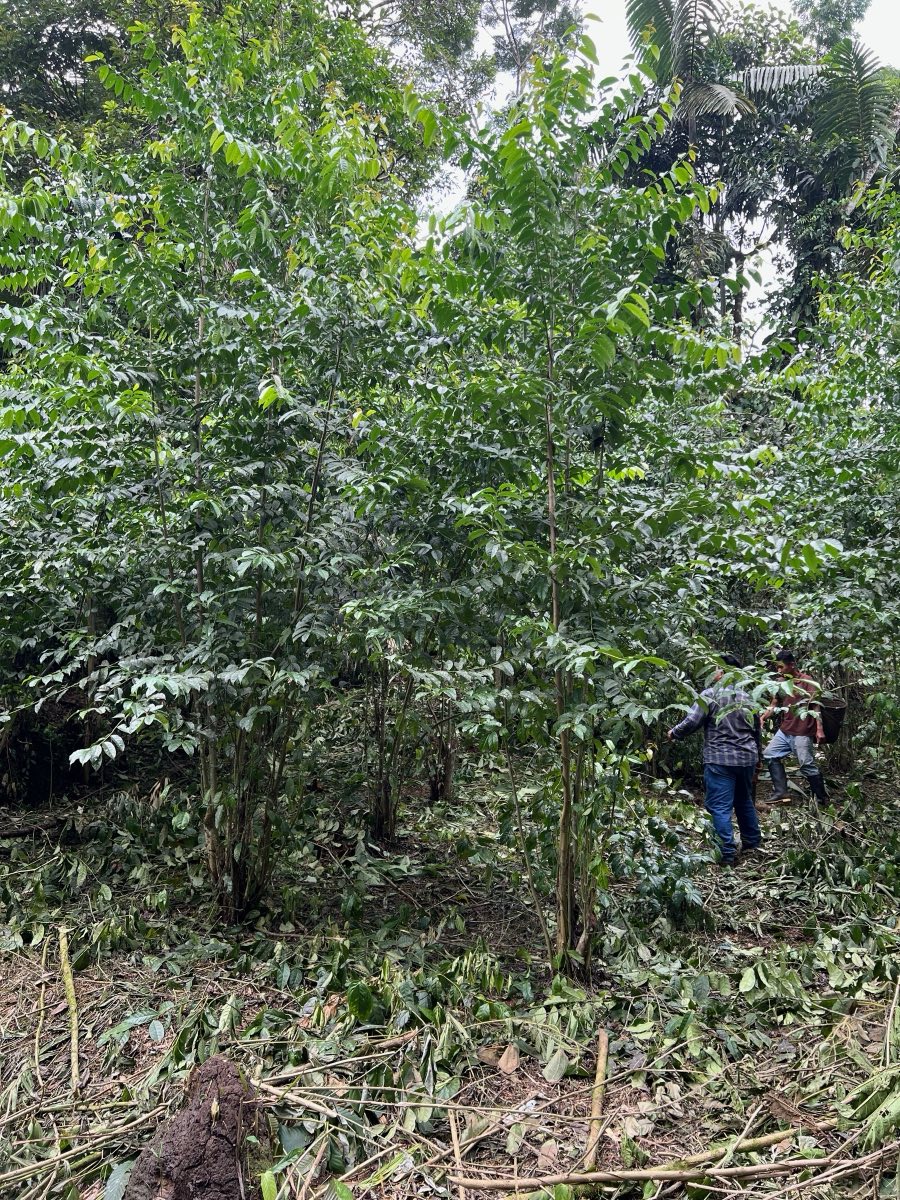
Guayusa is a member of the holly family, a relative of yerba mate. It's the leaf, not a seed, that carries the caffeine. Our guayusa grows in the traditional chakra system: small forest gardens where guayusa shares space with many other plants under a diverse canopy. Small-scale farmers in Archidona, Napo province, harvest the leaves by hand. We air-dry them and finish them gently. They are never smoked.
Then you simply steep the leaf in water, the same way you'd make any tea.
Comparison Table: Guayusa vs Guarana
| Guarana | Guayusa (PACHA) | |
|---|---|---|
| Plant | Paullinia cupana, a climbing vine (soapberry family) | Ilex guayusa, a holly tree |
| Part used | Seed | Leaf |
| Main region | Native to the Amazon; grown mainly in Brazil (Amazonas and Bahia states) | Western Amazon; ours from Archidona, Napo, Ecuador |
| How it's mostly consumed | Ingredient in sodas, energy drinks, capsules and powders | Brewed as tea: hot, iced or cold brew |
| Caffeine in the plant | About 3.3–5.8% of the seed in one study; up to ~6% per a review | Up to ~7.6% in leaves from wild trees; about 1.5–3.2% in cultivated, dried leaves |
| Caffeine per serving | Depends on the product; check the label | ~66 mg per 4 g (Traditional); ~82 mg per 50 ct bag |
| Other compounds | Theobromine mainly in leaves, stems and fruit skin | Chlorogenic acids, flavonoids, small amounts of theobromine |
| What you taste | Usually the drink's flavoring, not the seed | Earthy, smooth, lightly floral, slightly sweet |
Guarana Caffeine vs Guayusa Caffeine
Guarana is famous for its caffeine, and the numbers back that up. In the 2014 study of five cultivars, seed caffeine ranged from about 3.3% to 5.8%, and a 2013 review describes levels of up to about 6%. For comparison, leaves from wild guayusa trees have been measured at up to about 7.6% caffeine, a higher peak than guarana seeds, while cultivated, dried guayusa leaves usually measure about 1.5% to 3.2%.
So the answer depends on the plant: wild guayusa leaves can top guarana's peak, while typical cultivated guayusa leaf usually has less caffeine than guarana seed. A rough calculation: 1 gram of guarana seed powder at 3.3–5.8% caffeine would hold about 33–58 mg. That's real, but it's the plant, not the product you buy. What matters for your day is the caffeine in the serving.
Here's what our guayusa delivers per serving, based on lab analysis (amounts vary a little from harvest to harvest):
- Traditional loose leaf: about 66 mg per 4 g serving
- Tea Bags (50 ct): about 82 mg per 5 g bag
- Instant Guayusa Pure: about 60 mg per 1 g serving
For context, the FDA lists a 12 oz cup of brewed coffee at about 113–247 mg of caffeine, black tea at about 71 mg, green tea at about 37 mg and energy drinks at about 41–246 mg. The FDA also cites 400 mg a day as an amount not generally linked to negative effects in healthy adults, though sensitivity varies a lot. Want the full breakdown? Read How Much Caffeine Is in Guayusa?
Flavor and Ritual
Most people have never tasted guarana by itself. In sodas and energy drinks, what you notice is the sweetness and fruit flavoring of the drink. In capsules, you don't taste it at all.
Guayusa is the opposite: the flavor is the experience. Our Traditional cut brews into a cup with a medium earthy aroma, a gentle pleasant bitterness and light floral notes. It's smoother and less grassy than many people expect. You can drink it hot in the morning, iced in the afternoon, or as a cold brew that's been sitting in the fridge for a couple of hours.
That also changes the ritual. A can is quick. A pot of guayusa is something you make, pour and sip, which is how families in the Amazon have shared it before sunrise for generations. If you want to explore that ritual, our best tea for focus guide is a good next read.
Other Compounds: More Than Caffeine
Both plants contain more than caffeine, but we don't want to oversell either one.
- Guarana: research on the plant shows theobromine is the main alkaloid in the leaves, stems and fruit skin, while the seed is dominated by caffeine. Reviews note interest in other guarana compounds, but say many effects still need study.
- Guayusa: a 2020 scientific review describes caffeine, small amounts of theobromine, chlorogenic acids and flavonoids. Guayusa is also commonly described as containing L-theanine.
A 2019 review on natural caffeine sources (guayusa, mate, tea, coffee and cocoa) suggests that polyphenols, theobromine and L-theanine may shape how caffeine feels, but concludes that more research is needed. One of its authors worked at a beverage company's R&D department, so read it as one perspective, not proof. Many people describe guayusa as a smoother, steadier-feeling lift; everyone responds to caffeine differently.
Natural Energy Drink Ingredients: How to Read a Guarana Label
Guarana is one of the most common natural energy drink ingredients. If you're comparing products, these tips help:
- Look for the total caffeine number. The FDA notes that most energy drinks sold in the U.S. state their total caffeine from all sources, including ingredients like guarana. Use that number, not the ingredient list, to judge strength.
- Remember guarana adds caffeine. NIH's complementary health center points out that guarana contains caffeine, so it raises a drink's total. A can that lists both "caffeine" and "guarana" is counting on both.
- Check supplements carefully. Caffeine amounts on beverages and dietary supplements are often labeled voluntarily, so some products may not show a number. If you can't find it, ask the brand or choose a product that states it.
- Count your whole day. Coffee, tea, soda, chocolate and energy drinks all add up toward the same daily total.
With brewed guayusa, the math is simpler: one ingredient, the leaf, and you set the strength with how much you use and how long you steep. If you're comparing guayusa with canned drinks more broadly, see Guayusa vs Energy Drinks.
Caffeine, Pregnancy and Kids
Whatever the source, caffeine is caffeine. The American College of Obstetricians and Gynecologists (ACOG) advises keeping caffeine under 200 mg a day during pregnancy. A 2021 NIH study of more than 2,000 pregnant women found that even about 50 mg a day was associated with slightly smaller babies, and the researchers suggested talking with a doctor about caffeine.
NIH also warns that caffeine may harm children's still-developing heart and nervous systems, and that heavy energy drink use may disrupt teens' sleep. If you're pregnant, breastfeeding, taking medication, have a heart condition or are sensitive to caffeine, talk to your doctor before choosing guarana products or guayusa. More on that in Is Guayusa Safe?
Which One Should You Choose?
- Choose a guarana product if you want grab-and-go convenience and you're comfortable reading labels to track your total caffeine.
- Choose guayusa if you want a brewed drink with one ingredient, a flavor you actually taste, and control over how strong your cup is.
If you're curious how guayusa compares with other caffeinated leaves, see Guayusa vs Yerba Mate, Guayusa vs Green Tea and Guayusa vs Black Tea, or find out which teas have more caffeine than coffee.
Where to start
- The classic cup: Traditional Guayusa Loose Leaf, rich and bold, about 66 mg of caffeine per 4 g serving. Brew 2 heaping teaspoons in 8 oz of boiling water for 5–10 minutes.
- Closest to a coffee-strength cup: Guayusa Tea Bags (50 ct), 5 g bags with about 82 mg of caffeine each, with no tags, strings or individual wrappers.
- Fastest option: Instant Guayusa Pure, about 60 mg per 1 g serving. Stir 1/4 teaspoon into 8 oz of hot or cold water.
Ready to taste the leaf side of the Amazon? Browse our guayusa tea bags or our loose leaf guayusa.
Keep reading: Guayusa vs Yaupon · From Chakra to Cup · Guayusa vs Energy Drinks
Frequently Asked Questions
Is guayusa the same as guarana?
No. They're both Amazonian caffeine plants, but they're unrelated. Guarana (Paullinia cupana) is a climbing vine whose caffeine-rich seeds are mostly used in sodas, energy drinks and supplements. Guayusa (Ilex guayusa) is a holly tree, a relative of yerba mate, and you brew its leaves like tea. The names sound alike, but the plant, the part used and the drink are different.
Does guarana have more caffeine than guayusa?
It depends. One study measured about 3.3–5.8% caffeine in guarana seeds; guayusa leaves from wild trees have reached up to about 7.6%, while cultivated guayusa leaves usually measure about 1.5–3.2%. What you actually drink depends on the serving: guarana products vary widely, so check the label. Our Traditional guayusa has about 66 mg per 4 g serving and our 50 ct tea bags about 82 mg per bag.
How much caffeine is in guarana?
Guarana seeds contain roughly 3–6% caffeine, according to the studies we reviewed. As a rough guide, 1 gram of seed powder would hold about 33–58 mg. In finished drinks and supplements, the amount depends entirely on the recipe. The FDA says most U.S. energy drinks list total caffeine, including from guarana, so look for that number on the can.
Is guayusa a good natural energy drink alternative?
For many people, yes. Brewed guayusa has one ingredient, the leaf, and you control the strength. Our Instant Guayusa Pure has about 60 mg per serving, and our 50 ct tea bags about 82 mg. Many drinkers describe a smooth, steady-feeling lift, though everyone responds to caffeine differently. It isn't a health treatment, just a caffeinated drink.
Can I have guarana or guayusa while pregnant?
Talk to your doctor first. Both contain caffeine. ACOG recommends keeping caffeine under 200 mg a day during pregnancy, and a 2021 NIH study linked even about 50 mg a day to slightly smaller babies. Your doctor can help you decide what's right for you, including whether to limit or avoid caffeine while pregnant or breastfeeding.
Sources
- Noriega P., et al. (2025). "Guayusa (Ilex guayusa Loes.) Ancestral Plant of Ecuador: History, Traditional Uses, Chemistry, Biological Activity, and Potential Industrial Uses." Molecules 30(13):2837 (up to 7.57% caffeine in leaves from wild trees; about 3% after the traditional 1-hour boil; citing Lewis et al. 1991 and Negrin et al. 2019) — https://doi.org/10.3390/molecules30132837
- Schimpl F.C., Kiyota E., Mayer J.L., Gonçalves J.F., da Silva J.F., Mazzafera P. (2014). "Molecular and biochemical characterization of caffeine synthase and purine alkaloid concentration in guarana fruit." Phytochemistry 105:25-36. https://doi.org/10.1016/j.phytochem.2014.04.018 (PubMed 24856135)
- Schimpl F.C., da Silva J.F., Gonçalves J.F., Mazzafera P. (2013). "Guarana: revisiting a highly caffeinated plant from the Amazon." Journal of Ethnopharmacology 150(1):14-31. https://doi.org/10.1016/j.jep.2013.08.023 (PubMed 23981847)
- Meneses M.Á., et al. (2024). "Green Processing of Ilex guayusa: Antioxidant Concentration and Caffeine Reduction Using Encapsulation by Supercritical Antisolvent Process." Molecules 29(22):5309. https://doi.org/10.3390/molecules29225309 (summary of reported guayusa leaf caffeine values)
- Wise G., Negrin A. (2020). "A critical review of the composition and history of safe use of guayusa: a stimulant and antioxidant novel food." Critical Reviews in Food Science and Nutrition 60(14):2393-2404. https://doi.org/10.1080/10408398.2019.1643286
- Schuster J., Mitchell E.S. (2019). "More than just caffeine: psychopharmacology of methylxanthine interactions with plant-derived phytochemicals." Progress in Neuro-Psychopharmacology and Biological Psychiatry 89:263-274. https://doi.org/10.1016/j.pnpbp.2018.09.005
- U.S. Food and Drug Administration, "Spilling the Beans: How Much Caffeine Is Too Much?" (content current as of 08/28/2024): https://www.fda.gov/consumers/consumer-updates/spilling-beans-how-much-caffeine-too-much
- National Center for Complementary and Integrative Health (NIH), "Energy Drinks": https://www.nccih.nih.gov/health/energy-drinks
- American College of Obstetricians and Gynecologists, "How much coffee can I drink while I'm pregnant?": https://www.acog.org/womens-health/experts-and-stories/ask-acog/how-much-coffee-can-i-drink-while-pregnant
- NIH/NICHD (2021), "Moderate daily caffeine intake during pregnancy may lead to smaller birth size": https://www.nichd.nih.gov/newsroom/news/032521-maternal-caffeine-infant-birth-weight
- Wikipedia – Guarana