At a glance
- Green tea comes from Camellia sinensis; guayusa is Ilex guayusa, an Amazonian holly. Different plants, different families.
- Per the FDA, a 12 oz cup of green tea has about 37 mg of caffeine. A 4 g serving of our Green Guayusa has about 59 mg.
- Green tea is known for catechins such as EGCG; guayusa is rich in chlorogenic acids. Two different antioxidant families.
- Green tea is usually brewed below boiling; guayusa is happy with boiling water and a longer steep.
Start here: everything about the leaf, from taste to caffeine to brewing, is in our complete guide to guayusa tea.
Green tea is one of the most familiar "healthy" drinks in the US. Guayusa is the leaf people discover next, often in a bag labeled "green." So it's fair to ask: is guayusa just another green tea? And if not, how do the two compare in the cup?
We're PACHA, and we bring guayusa from the Ecuadorian Amazon. Here's an honest look at guayusa vs green tea: the plants, how they're made, how they taste, how much caffeine they have and what's actually in them.
The Short Answer
- Green tea is made from the leaves of Camellia sinensis, the same plant that gives us black tea, oolong and matcha. It's heated soon after picking, which keeps it green.
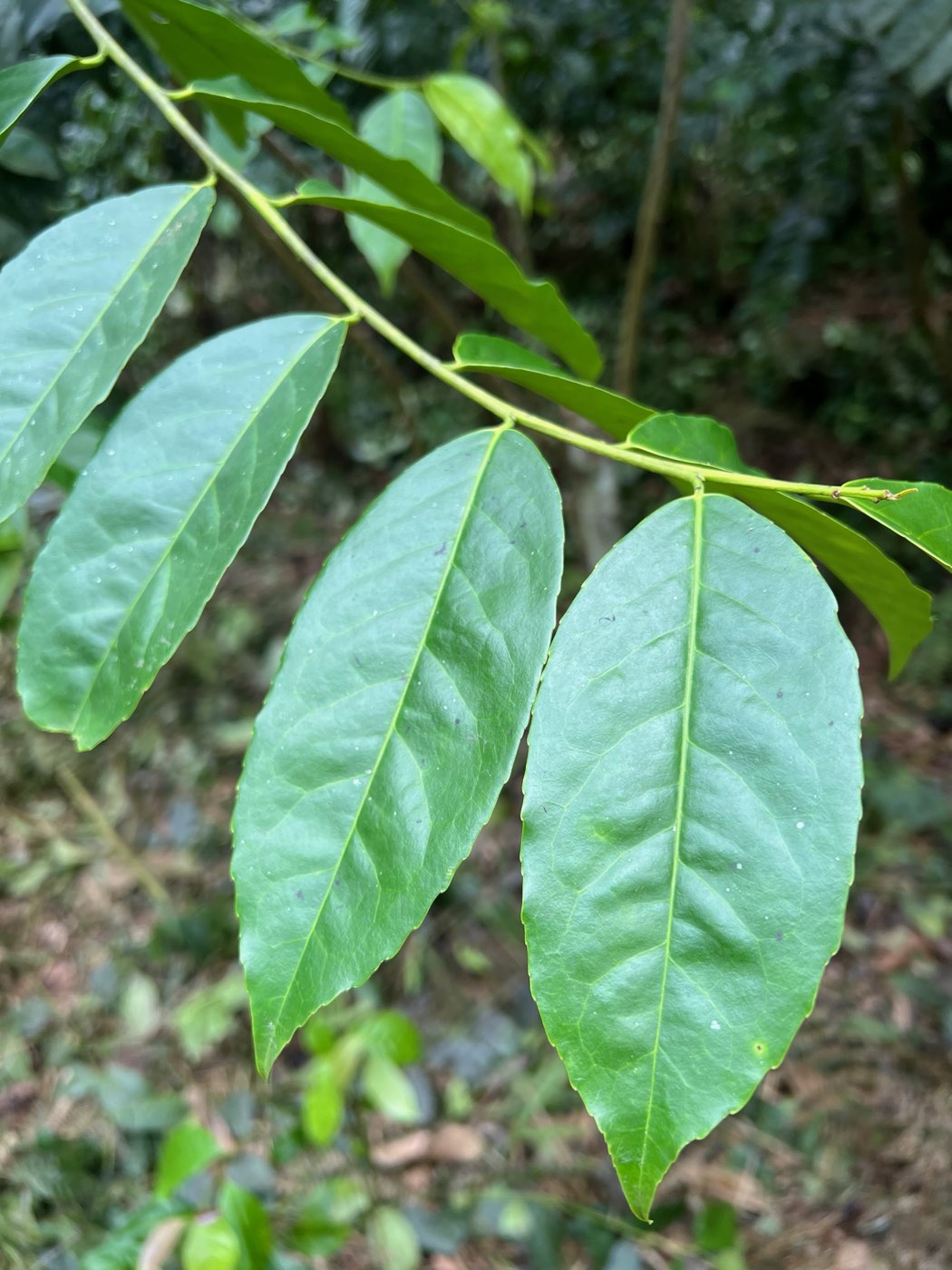
- Guayusa is made from the leaves of Ilex guayusa, a holly tree from the upper Amazon and a cousin of yerba mate. It isn't a "tea" in the botanical sense at all.
- Both are naturally caffeinated leaves. Guayusa tends to taste earthier and smoother; green tea grassier and, if over-steeped, more bitter.
Is Guayusa a Green Tea?
No. "Tea," strictly speaking, means Camellia sinensis. Guayusa belongs to a different botanical family (Aquifoliaceae, the hollies), so it's a different plant with its own chemistry, not a variety of green tea.
Why our "Green Guayusa" isn't green tea
We sell three styles of guayusa: Traditional, Golden and Green. All three come from the same guayusa leaf. What changes is the processing:
- Traditional: withered and dried. Rich and bold.
- Golden: dried with no withering. Smooth and mellow.
- Green: withered and dried, with a fresh, light profile and a light green color with golden tones.
So "Green" describes the style and color of our guayusa, not green tea. There's no Camellia sinensis in any PACHA product: just 100% guayusa leaf.
How Each Leaf Is Made
Green tea: heat to keep it green
Fresh tea leaves contain enzymes that start changing the leaf as soon as it's picked. Green tea producers stop that process early with heat, a step called fixation, done by pan-firing or steaming. A 2022 study in Foods (Li et al.) calls this deactivation of the leaf's own enzymes the most important step in green tea manufacturing. The leaves are then shaped and dried.
Guayusa: hand-picked, air-dried, never smoked
Our guayusa grows in the traditional chakra system, in the shade of a diverse forest, tended by small-scale farmers in Archidona, Napo province. The leaves are selected and picked by hand, air-dried and then oven-dried, cut and packed in small batches. They are never smoked. Processing matters: a 2017 study (García-Ruiz et al.) found that the way guayusa leaves are processed changes their phenolic compounds. Blanched leaves kept them, while fermentation reduced them.
Comparison Table: Guayusa vs Green Tea
| Green tea | Guayusa (PACHA) | |
|---|---|---|
| Plant | Camellia sinensis (tea plant) | Ilex guayusa (Amazonian holly) |
| Origin | East Asia; now grown in many countries | Upper Amazon; ours from Archidona, Napo, Ecuador |
| Processing | Heat fixation (pan-fired or steamed), shaped, dried | Hand-picked, withered (or not), air- and oven-dried, never smoked |
| Flavor | Grassy, vegetal; can turn bitter if over-steeped | Earthy, smooth; Green style fresh and light |
| Caffeine per cup | ~37 mg per 12 oz (FDA) | ~59 mg per 4 g (Green), ~66 mg per 4 g (Traditional) |
| Caffeine in dry leaf | ~11.3–24.7 mg/g (Kochman 2021) | ~15–32 mg/g cultivated, about 1.5–3.2% (Meneses 2024); up to ~7.6% in wild leaves (Noriega 2025) |
| Signature compounds | Catechins, especially EGCG; L-theanine | Chlorogenic acids; commonly described as containing L-theanine |
| Water | Below boiling, short steep | Boiling water, 5–10 minutes |
Guayusa vs Green Tea Caffeine
Per cup
The FDA puts a 12 oz cup of green tea at about 37 mg of caffeine (roughly 25 mg per 8 oz), black tea at about 71 mg and brewed coffee at about 113–247 mg. Your own cup will vary with the leaf, the amount you use and the steep time.
Here's how our green-style guayusa and our classic leaf compare, per laboratory analysis of a 4 g serving:
- Green Guayusa Loose Leaf: about 59 mg per 4 g
- Traditional Guayusa Loose Leaf: about 66 mg per 4 g
- Green Guayusa Tea Bags (100 ct): about 22 mg per 1.5 g bag, a gentler cup, below the FDA figure for 12 oz of green tea
Caffeine varies from batch to batch of leaf, so treat every figure as approximate.
Per gram of dry leaf
Gram for gram, the two are closer than many people think. A 2021 review of matcha and green tea (Kochman et al.) reports green tea leaf at about 11.3–24.7 mg of caffeine per gram. For guayusa, published analyses summarized in a 2024 study (Meneses et al.) range from about 15 to 32 mg per gram, roughly 1.5–3.2% of the dry leaf. So guayusa tends to sit at the higher end of green tea's range, but it's not in a different league. In practice, the bigger difference comes from how much leaf goes in your cup and how long you steep it. For more on this, see how much caffeine is in guayusa and is there a tea with more caffeine than coffee?
Flavor and Astringency
Green tea tastes grassy and vegetal, and steamed styles can be quite bright. Its catechins are generally linked to its astringency, the dry, puckering feeling on your tongue. Steep it too long or too hot and it can turn bitter. In a 2015 study of Turkish green tea (Saklar et al.), taste scores dropped sharply at very long steep times, which the authors linked to bitterness.
Guayusa has an earthy, smooth profile. Our Traditional leaf is described as medium-earthy with a pleasant bitterness, light floral notes and a touch of sweetness; the Green style is fresh and light. Our brewing guide simply suggests a longer steep or more leaf when you want a stronger cup. Taste is personal, so the best test is a side-by-side cup.
What's in Each Leaf: Antioxidants and L-Theanine
Both leaves are rich in plant polyphenols, but they're different antioxidant families, so a simple "more or less" doesn't tell the whole story.
- Green tea is known for its catechins. A 2022 review (Zhao et al.) lists the main ones and names EGCG as the most biologically active. The same review notes that studies on phenolic acids in green tea are few.
- Guayusa is rich in chlorogenic acids. Studies of the leaf report about 6.5–24 mg of chlorogenic acid per gram of dry leaf, depending on the sample and leaf age (García-Ruiz 2017; Villacís-Chiriboga 2018, as summarized by Meneses 2024). García-Ruiz and colleagues found chlorogenic acid and quercetin-3-O-hexoside to be guayusa's main phenolic compounds.
L-theanine is well documented in green tea: the Zhao review notes theanine makes up roughly half of the tea leaf's amino acids. In a small study funded and run by Unilever R&D (Giesbrecht et al., 2010), 97 mg of L-theanine plus 40 mg of caffeine improved attention during a task-switching test and self-reported alertness in 44 young adults. Guayusa is commonly described as containing L-theanine too, though it has been studied far less than green tea.
A 2020 scientific review of guayusa (Wise & Negrin) concluded that its known composition appears to present no greater risk than existing teas such as green tea or yerba mate, while noting that our understanding of its chemistry is still developing. Research on both leaves is ongoing, and none of this makes either drink a treatment for anything. For the bigger picture, read guayusa tea benefits and the best tea for focus.
Brewing: Cooler Water vs Boiling Water
Green tea is usually brewed below boiling. In the Saklar study, which was supported by Turkey's research council (TÜBİTAK) for the state tea company ÇAYKUR, 85 °C (185 °F) for 3 minutes gave the highest EGCG and the best taste scores among the conditions tested. Check your tea's label, since recommendations vary by style.
Guayusa is simpler. For loose leaf, pour 8 oz of boiling water over 2 heaping teaspoons and steep 5–10 minutes. For tea bags, steep in 8 oz of hot water for about 5 minutes, or longer for a stronger cup. Guayusa also works iced or as a cold brew. Full steps are in how to make guayusa tea.
Side Effects: It's About the Caffeine
Both drinks contain caffeine, and that's what to watch. The FDA lists signs of too much caffeine such as a faster heart rate, jitters, anxiety, sleep problems, upset stomach and headache, and notes wide variation in how sensitive people are. For most healthy adults, the FDA cites about 400 mg a day as an amount not generally associated with negative effects. Keep later cups light and track your daily total. If you're pregnant, nursing, on medication, have a heart condition or are sensitive to caffeine, talk to your doctor. More in is guayusa safe?
Which Should You Choose?
- You love grassy, delicate flavors and a quick, cooler brew: green tea.
- You want an earthy, smooth leaf with a bit more caffeine per serving: guayusa.
- You want a gentle, everyday cup: our Green Guayusa Tea Bags.
Curious how guayusa stacks up against other leaves? Read guayusa vs black tea and guayusa vs matcha.
Where to start
- The green-style leaf: Green Guayusa Loose Leaf, fresh and light, about 59 mg of caffeine per 4 g serving.
- The easy daily cup: Green Guayusa Tea Bags (100 ct), about 22 mg of caffeine per bag. No tags, strings or individual wrappers.
- The classic: Traditional Guayusa Loose Leaf, rich and bold, about 66 mg of caffeine per 4 g serving.
Ready to taste the difference? Browse our guayusa tea bags or our loose leaf guayusa.
Keep reading: Why Does Matcha Have So Much Caffeine? · Iced Guayusa Recipes With Fresh Fruit · Guayusa vs Matcha
Frequently Asked Questions
Is guayusa a green tea?
No. Green tea comes from Camellia sinensis, the tea plant. Guayusa comes from Ilex guayusa, a holly tree native to the upper Amazon and a cousin of yerba mate. Our "Green Guayusa" is a style of guayusa leaf, named for its fresh, light profile and color. It contains no green tea, only 100% guayusa leaf.
Does guayusa have more caffeine than green tea?
Per serving, usually yes. The FDA puts 12 oz of green tea at about 37 mg of caffeine, while a 4 g serving of our Green Guayusa has about 59 mg. Per gram of dry leaf, guayusa (about 15–32 mg/g) tends to sit at the higher end of green tea's range (about 11.3–24.7 mg/g). Your cup depends on how much leaf you use and your steep time.
Does guayusa have antioxidants like green tea?
Yes, but different ones. Green tea is known for catechins, especially EGCG. Guayusa is rich in chlorogenic acids, with studies reporting about 6.5–24 mg per gram of dry leaf. Because they're different antioxidant families, a simple "more or less" comparison misses the point. Neither drink is a treatment, and research on guayusa is still limited.
Does guayusa contain L-theanine like green tea?
L-theanine is well documented in green tea, where it makes up around half of the leaf's amino acids. Guayusa is commonly described as containing L-theanine too, but it has been studied much less than green tea. Many drinkers describe guayusa's lift as smooth and steady, though everyone responds to caffeine differently.
Can I brew guayusa like green tea?
You can, but you don't have to. Green tea is usually brewed below boiling for a few minutes. Guayusa takes boiling water well: 2 heaping teaspoons of loose leaf in 8 oz, steeped 5–10 minutes. For a stronger cup, steep longer or add more leaf. It's also great iced or cold brewed for two hours or more.
Sources
- Noriega P., et al. (2025). "Guayusa (Ilex guayusa Loes.) Ancestral Plant of Ecuador: History, Traditional Uses, Chemistry, Biological Activity, and Potential Industrial Uses." Molecules 30(13):2837 (up to 7.57% caffeine in leaves from wild trees; about 3% after the traditional 1-hour boil; citing Lewis et al. 1991 and Negrin et al. 2019) — https://doi.org/10.3390/molecules30132837
- U.S. Food and Drug Administration, "Spilling the Beans: How Much Caffeine Is Too Much?" (content current as of 08/28/2024): https://www.fda.gov/consumers/consumer-updates/spilling-beans-how-much-caffeine-too-much
- Kochman J., Jakubczyk K., Antoniewicz J., Mruk H., Janda K. (2021). "Health Benefits and Chemical Composition of Matcha Green Tea: A Review." Molecules 26(1):85. https://doi.org/10.3390/molecules26010085
- Meneses M.Á., et al. (2024). "Green Processing of Ilex guayusa: Antioxidant Concentration and Caffeine Reduction Using Encapsulation by Supercritical Antisolvent Process." Molecules 29(22):5309. https://doi.org/10.3390/molecules29225309
- Zhao T., Li C., Wang S., Song X. (2022). "Green Tea (Camellia sinensis): A Review of Its Phytochemistry, Pharmacology, and Toxicology." Molecules 27(12):3909. https://doi.org/10.3390/molecules27123909
- García-Ruiz A., et al. (2017). "Guayusa (Ilex guayusa L.) new tea: phenolic and carotenoid composition and antioxidant capacity." Journal of the Science of Food and Agriculture 97(12):3929-3936. https://doi.org/10.1002/jsfa.8255
- Wise G., Negrin A. (2020). "A critical review of the composition and history of safe use of guayusa: a stimulant and antioxidant novel food." Critical Reviews in Food Science and Nutrition 60(14):2393-2404. https://doi.org/10.1080/10408398.2019.1643286
- Li M., et al. (2022). "Effect of Fixation Methods on Biochemical Characteristics of Green Teas and Their Lipid-Lowering Effects in a Zebrafish Larvae Model." Foods 11(11):1582. https://doi.org/10.3390/foods11111582
- Saklar S., Ertas E., Ozdemir I.S., Karadeniz B. (2015). "Effects of different brewing conditions on catechin content and sensory acceptance in Turkish green tea infusions." Journal of Food Science and Technology 52(10):6639-6646. https://doi.org/10.1007/s13197-015-1746-y
- Giesbrecht T., Rycroft J.A., Rowson M.J., De Bruin E.A. (2010). "The combination of L-theanine and caffeine improves cognitive performance and increases subjective alertness." Nutritional Neuroscience 13(6):283-290. https://doi.org/10.1179/147683010X12611460764840