At a glance
- Matcha is powdered green tea (Camellia sinensis); guayusa is an Amazonian holly leaf.
- Per gram, matcha has about 18.9–44.4 mg of caffeine; guayusa leaf about 15–32 mg.
- Matcha is whisked; guayusa is steeped, or blended as a whole-leaf powder.
- Matcha tastes umami and grassy; guayusa is earthy, smooth and lightly floral.
Start here: everything about the leaf, from taste to caffeine to brewing, is in our complete guayusa tea guide.
Matcha has gone from Japanese tea rooms to almost every café menu in the U.S. Guayusa is newer to most people, but it keeps coming up in the same conversations: a naturally caffeinated green drink, a smoother alternative to coffee, a morning ritual. So which one should you pick?
This guide compares guayusa vs matcha side by side: the plant, how each is grown and made, how you prepare it, how it tastes, and what the research says about caffeine and L-theanine. We're PACHA and we bring guayusa from the Ecuadorian Amazon, so we'll be upfront: we love matcha too. They're simply different drinks.
The Short Answer
- Matcha is shade-grown green tea from the Camellia sinensis plant, steamed, dried and stone-ground into a fine powder. You whisk it into water and drink the whole leaf.
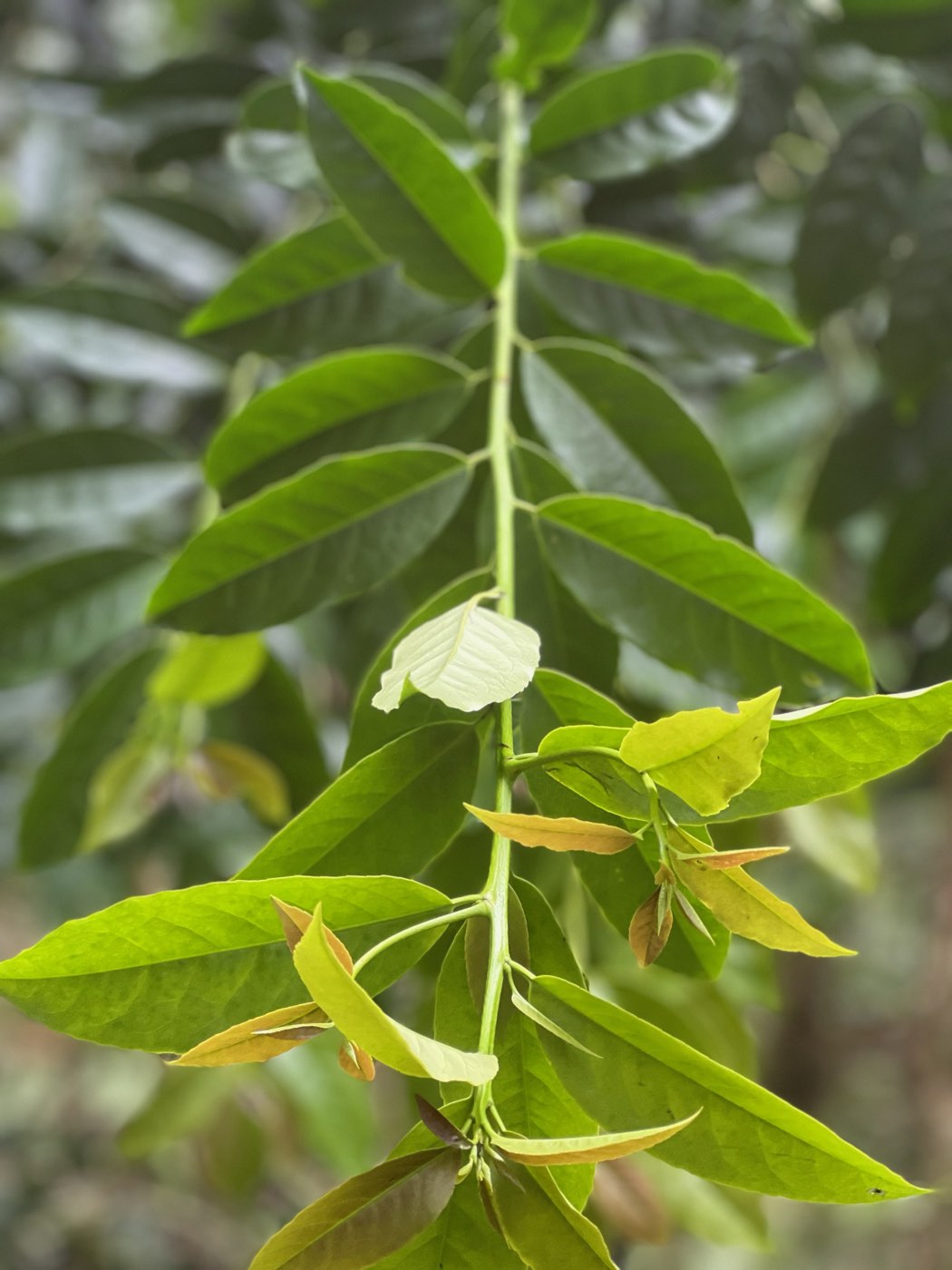
- Guayusa is the leaf of Ilex guayusa, a holly tree from the western Amazon and a cousin of yerba mate. You steep it like tea, or blend it as a powder.
- Pick matcha if you love umami, bright green color and a whisking ritual. Pick guayusa if you want an earthy, smooth cup that's easy to brew, hot or iced.
Two Different Plants
Matcha is "real" tea. It comes from Camellia sinensis, the same plant behind green, black, white and oolong tea. What makes it matcha is the way it's grown and processed.
Guayusa isn't tea in the botanical sense. It's a holly (family Aquifoliaceae), related to yerba mate and yaupon. It has never been a Camellia, so it has a different set of compounds and a different taste. If you want the holly-family comparison, see Guayusa vs Yerba Mate.
How Each Is Grown and Made
Matcha: shaded, steamed, stone-ground
Matcha plants are shaded for the last weeks before harvest. Under Japanese labeling rules, that's typically two to three weeks under reed, straw or cloth covers. Shading pushes the leaves to build more chlorophyll and theanine, which explains matcha's vivid color and savory, less bitter taste. After picking, the leaves are steamed to stop oxidation, dried, aged and then ground slowly in stone mills into a very fine powder.
Guayusa: forest-grown, air-dried, never smoked
Our guayusa grows in the traditional chakra system of the Ecuadorian Amazon: small forest gardens where guayusa trees share space with many other plants under a diverse canopy. Small-scale farmers in Archidona, Napo province, pick the leaves by hand. We air-dry and gently finish them in small batches. They are never smoked.
From the same leaf we make three styles: Traditional (rich and bold), Golden (smooth and mellow) and Green (fresh and light). The difference is how long the leaf withers before drying. For a whole-leaf option closer to matcha, we also grind the leaf into Guayusa Powder.
Comparison Table: Guayusa vs Matcha
| Matcha | Guayusa (PACHA) | |
|---|---|---|
| Plant | Camellia sinensis (tea plant) | Ilex guayusa (holly) |
| Origin | China (powdered tea), refined in Japan | Western Amazon; ours from Archidona, Napo, Ecuador |
| Growing | Shaded for weeks before harvest | Forest-grown in the traditional chakra system |
| Processing | Steamed, dried, stone-ground into powder | Air-dried and finished, never smoked; also ground into powder |
| Preparation | Whisked with a bamboo whisk; you drink the whole leaf | Steeped like tea, hot, iced or cold brew; Powder is blended |
| Flavor | Strong umami, grassy, sea-vegetable notes | Earthy, smooth, lightly floral, slightly sweet |
| Caffeine per gram | About 18.9–44.4 mg/g | About 15–32 mg/g of dried leaf |
| Caffeine per serving | ~38–89 mg for 2 g (our estimate) | ~66 mg per 4 g (Traditional); ~120 mg per tsp Powder |
| L-theanine | Well documented, higher than most teas | Commonly described as containing L-theanine |
Matcha Caffeine vs Guayusa Caffeine
Per gram
A 2021 scientific review of matcha found about 18.9–44.4 mg of caffeine per gram of matcha, compared with 11.3–24.7 mg/g for green tea in general. Leaves from wild guayusa trees have been measured at up to about 7.6% caffeine, but cultivated guayusa leaves usually report about 1.5–3.2% caffeine by dry weight, or roughly 15–32 mg per gram. So per gram the two overlap, with matcha reaching higher at the top of its range.
Per cup
Per cup is what you actually feel, and preparation matters more than the plant:
- Matcha, thin style (usucha): traditionally about 2 g of powder. Using the review's range, that works out to roughly 38–89 mg of caffeine. That's our own calculation, so treat it as a ballpark.
- Matcha, thick style (koicha): about 4 g, so roughly double.
- Guayusa, Traditional loose leaf: about 66 mg per 4 g serving.
- Golden Guayusa Tea Bags (50 ct): about 66 mg per 5 g bag.
- Guayusa Powder: about 120 mg per teaspoon, one of our strongest formats.
Our guayusa numbers come from lab analysis and vary a little from harvest to harvest. For context, the FDA lists a 12 oz cup of brewed coffee at about 113–247 mg, black tea at about 71 mg and green tea at about 37 mg. More detail in How Much Caffeine Is in Guayusa? and Tea With More Caffeine Than Coffee.
L-Theanine: Where Matcha Clearly Shines
L-theanine is an amino acid found in the tea plant, and matcha is one of its richest sources. Shading slows the breakdown of theanine in the leaf, and the same 2021 review notes that matcha's relatively high theanine level is part of what gives it its sweet, savory umami taste.
Guayusa is commonly described as containing L-theanine too, and it brings its own mix of compounds: caffeine, small amounts of theobromine, and chlorogenic acids, the main antioxidant family in the guayusa leaf.
What does that mean for how you feel? Research suggests caffeine and L-theanine together may support attention. In one study of 44 young adults, 97 mg of L-theanine plus 40 mg of caffeine improved accuracy on a task-switching test and self-reported alertness compared with placebo. It was run by researchers at Unilever, a tea company, and tested isolated compounds, not a cup of matcha or guayusa. A broader 2019 review reached a similar, cautious view: plant compounds may shape how caffeine feels, but more research is needed. Many people describe both drinks as a calmer-feeling lift than coffee; everyone responds to caffeine differently. For more, see our best tea for focus guide.
Flavor: Umami vs Earthy
Matcha is savory and grassy, with a strong umami taste from its amino acids and an aroma often compared to nori seaweed. Whisking it to a froth softens its astringency, and many people mellow it further with milk in a latte.
Guayusa is earthy and smooth. Our Traditional cut has a medium earthy aroma, a gentle pleasant bitterness and light floral notes; Golden is softer and mellower. Guayusa Powder is more intense and earthy, so it pairs well with milk, banana or cacao.
Preparation and Ritual
Matcha has a ritual all its own. Traditionally, you sift the powder into a bowl, add hot (not boiling) water, and whisk with a bamboo whisk until frothy. The thin style uses about 2 g of powder; the thick, ceremonial style uses about twice as much with less water. It's beautiful and focused, though it takes a few tools and a little practice.
Guayusa asks less of you:
- Loose leaf: 2 heaping teaspoons in 8 oz of boiling water, 5–10 minutes. Strain and sip.
- Tea bags: one bag in 8 oz of hot water for about 5 minutes, or steep it in cold water in the fridge.
- Powder: 1 teaspoon blended into milk, a smoothie or water. Like matcha, you consume the whole leaf. See our guayusa powder recipes for a frothy latte.
On cost and habit: matcha is often regarded as a premium tea and is sold in small tins and several grades, so it's worth comparing cost per serving. Guayusa is a simple leaf you can brew by the pot, hot in winter, iced in summer.
Guayusa or Matcha: Who Should Pick Which?
Matcha may suit you if:
- You love umami and a bright green, café-style latte.
- You enjoy a slow, hands-on ritual with a whisk.
- You want a well-studied source of L-theanine.
Guayusa may suit you if:
- You want a matcha alternative that's earthier and smoother, with no whisk required.
- You like iced tea or cold brew you can make by the pitcher.
- You want to choose your strength: a mellow Golden cup or a strong spoon of Powder.
Many people keep both. If you're comparing other green options, read Guayusa vs Green Tea and Guayusa vs Black Tea.
If you're pregnant, breastfeeding, taking medication or sensitive to caffeine, talk to your doctor before adding either drink. The FDA cites 400 mg a day as an amount not generally linked to negative effects in healthy adults. Learn more in Is Guayusa Safe?
Where to start
- The closest to matcha: Guayusa Powder, whole guayusa leaf finely ground, about 120 mg of caffeine per teaspoon. Blend it into milk for a guayusa latte.
- The classic cup: Traditional Guayusa Loose Leaf, rich and bold, about 66 mg per 4 g serving.
- The mellow everyday option: Golden Guayusa Tea Bags (50 ct), smooth and mellow, about 66 mg per 5 g bag, with no tags, strings or wrappers.
Want to keep it simple? Start with our guayusa tea bags or explore our loose leaf guayusa.
Curious why matcha is so strong in the first place? Read Why Does Matcha Have So Much Caffeine?
Keep reading: Guayusa vs Yaupon · Guayusa vs Green Tea · Guayusa Powder & Guayusa Cacao: 5 Easy Recipes
Frequently Asked Questions
Is guayusa the same as matcha?
No. Matcha is powdered green tea from the Camellia sinensis plant, shade-grown and stone-ground in the Japanese tradition. Guayusa is the leaf of Ilex guayusa, an Amazonian holly related to yerba mate. Both are naturally caffeinated and both can be enjoyed as a powder, but they come from different plants, are processed differently and taste quite different: umami for matcha, earthy and smooth for guayusa.
Does matcha have more caffeine than guayusa?
Per gram, matcha can be higher: about 18.9–44.4 mg/g in a 2021 review, versus about 15–32 mg/g for guayusa leaf. Per cup, it depends on how much you use. A 2 g bowl of matcha works out to roughly 38–89 mg. Our Traditional guayusa has about 66 mg per 4 g serving, and Guayusa Powder about 120 mg per teaspoon.
How much caffeine is in a cup of matcha?
It depends on the powder and the amount. A scientific review measured about 18.9–44.4 mg of caffeine per gram of matcha. A traditional thin bowl uses about 2 g, so roughly 38–89 mg, and a thick bowl about double. Café lattes vary, so ask how many scoops go in. For comparison, the FDA lists 12 oz of green tea at about 37 mg.
Is guayusa a good matcha alternative?
For many people, yes. Guayusa Powder is the whole leaf, finely ground, so you blend it into milk or smoothies much like matcha. It tastes earthy rather than grassy and has about 120 mg of caffeine per teaspoon. If you prefer a steeped cup, our loose leaf and tea bags are easy to brew hot or iced, with no whisk needed.
Does guayusa have L-theanine like matcha?
Matcha's L-theanine is well documented, and shading helps the leaf keep more of it. Guayusa is commonly described as containing L-theanine as well, alongside caffeine, a little theobromine and chlorogenic acids. Research on how these compounds work together is still limited, so we don't make health promises. Many people describe both as a steady-feeling lift; everyone responds differently.
Sources
- Noriega P., et al. (2025). "Guayusa (Ilex guayusa Loes.) Ancestral Plant of Ecuador: History, Traditional Uses, Chemistry, Biological Activity, and Potential Industrial Uses." Molecules 30(13):2837 (up to 7.57% caffeine in leaves from wild trees; about 3% after the traditional 1-hour boil; citing Lewis et al. 1991 and Negrin et al. 2019) — https://doi.org/10.3390/molecules30132837
- Kochman J., Jakubczyk K., Antoniewicz J., Mruk H., Janda K. (2021). "Health Benefits and Chemical Composition of Matcha Green Tea: A Review." Molecules 26(1):85. https://doi.org/10.3390/molecules26010085 (PMC7796401; authors declare no conflict of interest)
- Meneses M.Á., et al. (2024). "Green Processing of Ilex guayusa: Antioxidant Concentration and Caffeine Reduction Using Encapsulation by Supercritical Antisolvent Process." Molecules 29(22):5309. https://doi.org/10.3390/molecules29225309 (summary of reported guayusa leaf caffeine values)
- Wise G., Negrin A. (2020). "A critical review of the composition and history of safe use of guayusa: a stimulant and antioxidant novel food." Critical Reviews in Food Science and Nutrition 60(14):2393-2404. https://doi.org/10.1080/10408398.2019.1643286
- Giesbrecht T., Rycroft J.A., Rowson M.J., De Bruin E.A. (2010). "The combination of L-theanine and caffeine improves cognitive performance and increases subjective alertness." Nutritional Neuroscience 13(6):283-290. https://doi.org/10.1179/147683010X12611460764840 (authors from Unilever R&D)
- Schuster J., Mitchell E.S. (2019). "More than just caffeine: psychopharmacology of methylxanthine interactions with plant-derived phytochemicals." Progress in Neuro-Psychopharmacology and Biological Psychiatry 89:263-274. https://doi.org/10.1016/j.pnpbp.2018.09.005
- U.S. Food and Drug Administration, "Spilling the Beans: How Much Caffeine Is Too Much?" (content current as of 08/28/2024): https://www.fda.gov/consumers/consumer-updates/spilling-beans-how-much-caffeine-too-much
- Wikipedia – Matcha